
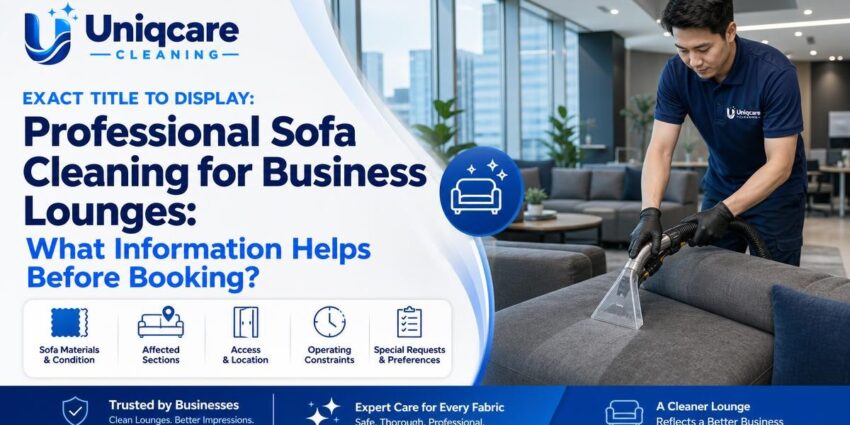
Booking professional sofa cleaning for a business lounge in Petaling Jaya is easier when the cleaning provider receives clear information before the visit. Details about the sofa material, affected sections, access route and operating restrictions help the team understand the work and discuss suitable arrangements for the premises.
Why the enquiry details matter
A sofa in a reception area, waiting room or office lounge can be different from a sofa at home. It may be used by many people throughout the day, positioned in a busy entrance area or included within a larger commercial cleaning schedule. The furniture may also have fixed sections, attached cushions or a mixture of fabric, leather and hard surfaces.
These details do not determine the result in advance, but they help a sofa cleaning service prepare a more relevant response. They also give the business an opportunity to explain its expectations, identify possible restrictions and avoid surprises when the appointment is arranged.
The essential information to provide before booking
A short enquiry does not need to be complicated. The following checklist covers the information that is most useful when asking about sofa cleaning for a business lounge in Petaling Jaya.
| Information to share | Useful examples | Why it helps |
|---|---|---|
| Business location | Building name, floor, unit and Petaling Jaya area | Helps clarify the site and access arrangements. |
| Sofa material | Fabric, leather or material shown on the care label | Cleaning considerations can differ between upholstery types. |
| Furniture quantity | One three-seat sofa, several lounge chairs or a complete seating area | Gives a clearer picture of the scope of work. |
| Affected sections | Seat cushions, armrests, backrests, sides or the full sofa | Identifies where attention is needed. |
| Visible concerns | Spills, marks, accumulated dirt or odour | Allows the provider to discuss the condition before arrival. |
| Access conditions | Lift access, loading bay, stairs, parking or security procedures | Supports practical planning at a commercial property. |
| Operating constraints | Quiet hours, visitor periods, meeting schedules or building rules | Helps identify a suitable appointment window. |
1. Describe the sofa and upholstery material
Start with the basic furniture details. Tell the provider whether the lounge seating is fabric, leather or another upholstery type, if known. A care label, purchase document or facilities record may contain useful information. If the material is uncertain, a clear photograph can help the provider understand what is being discussed before booking.
Also mention whether the sofa has removable cushions, fixed seating, piping, buttons, textured areas or mixed materials. These features can affect how the furniture is assessed and cleaned. Do not assume that two sofas with a similar appearance have identical cleaning requirements; supplying accurate information is more useful than guessing a technical specification.
What to photograph
- A full view of each sofa or chair.
- A closer view of the upholstery texture.
- The care label, if one is available.
- Any visible marks, worn areas or discolouration.
- The surrounding space, especially if the furniture is in a tight lounge or reception area.
2. Identify the affected sections
Explain whether the cleaning is intended for the entire sofa or only selected areas. Common sections to identify include seat cushions, armrests, backrests, front panels, sides and the area beneath removable cushions. In a business lounge, armrests and seat fronts may receive frequent contact, while the back or side panels may show different types of dirt from everyday use.
A simple description such as “two lounge chairs need full upholstery cleaning, while the three-seat sofa has marks on the seat cushions and armrests” is more useful than saying only that the furniture is dirty. If there are several pieces, list them separately or label them in photographs. This makes the enquiry clearer for both the business and the cleaning provider.
3. Explain the condition without promising a particular result
Tell the sofa cleaning service what can be seen and when the problem was noticed. Useful details may include drink spills, food marks, general soiling, visible dust, musty odour or areas that have become darker through regular use. If a product has already been applied, include that information as well.
Cleaning outcomes can depend on the upholstery material, the age of the mark, previous treatment and the overall condition of the furniture. For that reason, it is sensible to ask for an assessment rather than assume every stain or odour will disappear completely. A professional discussion should distinguish between improving the condition of the upholstery and guaranteeing a specific result.
Information about previous cleaning
- When the sofa was last cleaned, if known.
- Whether a spot-cleaning product or other chemical was used.
- Whether the fabric has previously shown colour transfer, shrinkage or other changes.
- Whether any sections are already damaged, loose or worn.
- Whether the furniture has been exposed to flooding, heavy moisture or a strong odour source.
4. Count the furniture and define the work area
Business lounges often contain more than one type of upholstered item. Include sofas, armchairs, ottomans, office chairs or selected dining chairs in the enquiry if they are part of the same request. Uniqcare Cleaning lists sofa and upholstery cleaning for fabric and leather sofas and selected chairs and office furniture, so identifying every item helps clarify whether the enquiry involves one sofa or a broader upholstery cleaning requirement.
State whether the furniture is located in one lounge, several floors or different areas of the premises. If there are multiple branches or suites, provide the details separately. A clear scope helps the business compare the proposed work with its maintenance plans and decide whether to clean all pieces together or prioritise the most visible seating.
Access can be just as important as the upholstery details at a commercial site. Tell the provider whether the lounge is in a high-rise office, retail unit, clinic, showroom or another type of premises. Include the floor number, lift arrangements, loading bay instructions, parking limitations and any security or registration procedure that visitors must follow.
Some furniture may be positioned near reception desks, glass doors, counters or narrow corridors. Mention tight turns, stairs, restricted entrances and furniture that cannot easily be moved. If the building requires a service lift booking or advance visitor registration, the cleaning appointment may need to account for those rules.
Access checklist for Petaling Jaya business premises
- Full address and building or commercial centre name.
- Unit number and floor.
- Instructions for security registration.
- Available parking or loading access.
- Lift, stairway and corridor conditions.
- Contact person who can meet the cleaning team.
- Building rules for equipment, water use or work in shared areas.
6. Explain your operating constraints
A lounge may be used by visitors, staff, customers or tenants throughout the day. Let the provider know when the area is busiest and whether there are quiet periods available. Some businesses may prefer cleaning before opening, after closing, during a planned office break or when a meeting room is not in use. The suitable arrangement depends on the building and the cleaning provider’s availability, so it is best to discuss timing rather than assume a particular schedule.
Tell the provider if the lounge must remain partially operational. For example, the business may need several seats kept available while other furniture is being attended to. It may also have concerns about walkways, reception visibility or access to nearby workstations. These practical details can help both sides plan the work area more safely and with less disruption.
7. Ask what preparation is expected from your team
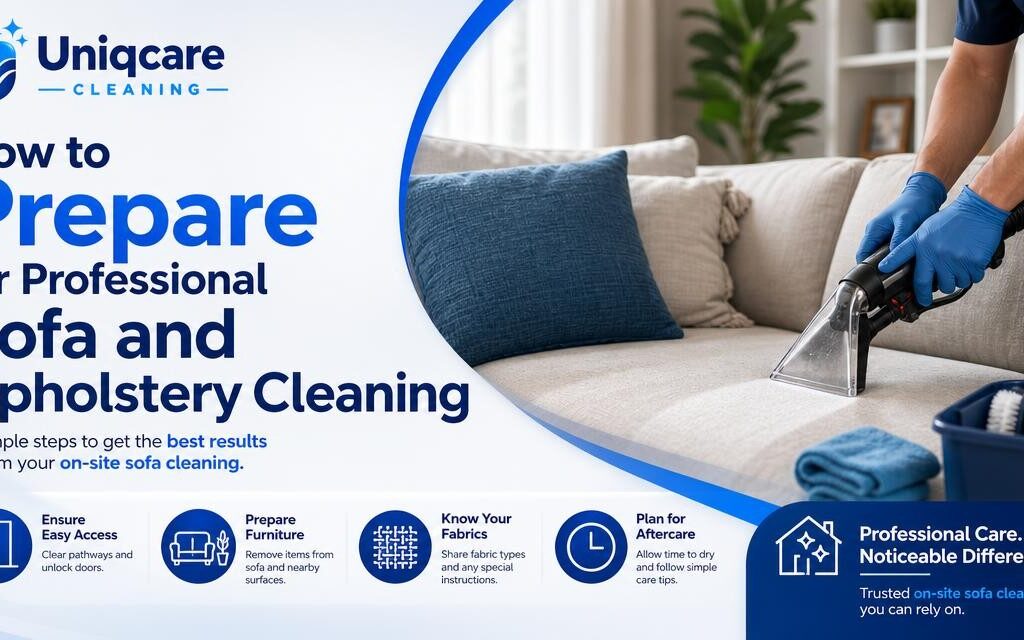
Before booking, ask whether staff should remove documents, personal items, cushions, decorations or equipment from the lounge. Clarify whether the furniture needs to be moved away from walls and who will handle items that are heavy or fixed in place. Do not assume that every piece can be moved or that every surrounding item is included in the cleaning service.
It is also helpful to ask how the area should be managed after cleaning. The appropriate waiting period, ventilation needs and return-to-use arrangements can depend on the furniture, cleaning method and site conditions. These instructions should come from the service provider for the specific job rather than being guessed from another cleaning project.
Questions to ask a sofa cleaning service
A useful enquiry is not only a request for availability. It should also help the business understand what is being assessed and what information is still needed. Consider asking the following questions:
- Can you assess the upholstery type before confirming the work?
- Should we send photographs of the sofas and affected sections?
- Do you clean both fabric and leather sofas?
- Can selected office chairs or other upholstered furniture be included?
- What access details do you need from a commercial building?
- What preparation should our staff complete before the appointment?
- Are there any limitations we should understand for older, worn or previously treated upholstery?
- What arrangements should be followed after the cleaning visit?
These questions encourage a realistic conversation about the work. They also give the business a written record of the agreed scope, which is useful when several people are involved in facilities, administration or office management.
Preparing a concise booking message
Businesses can save time by preparing one message with the relevant details. For example, include the location in Petaling Jaya, the type and number of sofas, the upholstery material if known, the affected sections, photographs, access instructions and preferred appointment windows. Mention whether the request is for a business lounge, reception area or another commercial space.
Uniqcare Cleaning provides deep-cleaning services for residential and commercial clients, and its sofa and upholstery service is described as on-site for selected furniture. When contacting the company, businesses can use the listed telephone number, 019-309 7102, to discuss the enquiry and confirm current arrangements. Operating information should be checked when making contact, as commercial buildings may also have their own access requirements.
How to compare enquiries fairly
If a business is contacting more than one provider, send each one the same basic information. This makes the responses easier to compare. Look at whether the provider has understood the furniture type, affected areas, access conditions and operating restrictions rather than comparing a short price message with a detailed scope that covers different work.
Keep the comparison focused on practical suitability. A provider that asks about upholstery material, photographs, building access and the condition of the furniture may be preparing to assess the job more carefully. The final decision should reflect the actual requirements of the lounge and the terms confirmed for the appointment.
| Before sending an enquiry | Ready? |
|---|---|
| Business address and floor information prepared | Yes / No |
| Furniture count and type listed | Yes / No |
| Upholstery material identified or photographed | Yes / No |
| Marks, odours or affected sections described | Yes / No |
| Access, parking and security details available | Yes / No |
| Preferred working times and business restrictions noted | Yes / No |
| Preparation and post-cleaning questions written down | Yes / No |
Final checklist for Petaling Jaya business lounges
The best enquiry gives the cleaning provider a clear picture without overstating the condition of the furniture. Describe the sofa honestly, identify the areas that need attention, share photographs where possible and explain how the premises operates. Include access instructions early, especially when the lounge is inside a managed office building or commercial property.
With these details ready, a business can have a more useful conversation about professional sofa cleaning in Petaling Jaya. It can also set practical expectations about the scope, preparation and timing of a sofa cleaning service before confirming an appointment.
Frequently asked questions
What information should a business provide when booking professional sofa cleaning?
Provide the business address, sofa quantity, upholstery material if known, affected sections, visible concerns, photographs, access instructions and preferred working times. Also mention building rules or restrictions.
Can professional sofa cleaning be arranged for a business lounge in Petaling Jaya?
Uniqcare Cleaning lists sofa and upholstery cleaning for commercial clients and serves Petaling Jaya within its wider service coverage. Confirm the current appointment and access arrangements when enquiring.
Should I identify whether the sofa is fabric or leather?
Yes. The material is useful information because fabric and leather upholstery can have different cleaning considerations. If you are unsure, send a clear photograph and any available care-label details.
Do I need to describe individual stains before booking?
Yes. Explain what can be seen, where it is located and whether any product has already been applied. Results can depend on the material, age of the mark and previous treatment, so an assessment is preferable to a guaranteed expectation.
What access details matter at an office or commercial building?
Share the floor, lift or stair access, parking or loading instructions, security registration process, contact person and any building rules affecting cleaning work.
Can other upholstered furniture be included in the same enquiry?
Yes. Mention office chairs, armchairs, dining chairs or other upholstered items that you want considered. The provider can then clarify which furniture is included in the proposed scope.
What should staff do before the cleaning appointment?
Ask the provider what should be removed or moved. Staff may need to clear personal items, documents and decorations, while heavy or fixed furniture may require separate arrangements. Confirm any post-cleaning instructions before the visit.